

Written report with photos
Mold Inspection Memphis, TN
A musty smell, a leak you are worried about, or a house you are about to buy? We find where the moisture is, whether mold is growing and what to do about it.
- Serving Memphis since 1989
- IICRC certified technicians
- Pre-purchase inspections
Mold inspection
A Mold Inspection Looks for Moisture First
Mold only grows where something stays damp. So a good inspection is really a search for water: a slow leak, a sweating duct, a wet crawl space. Find the moisture and you find the mold, including the mold behind walls.
Our inspector checks the house with moisture meters and a thermal camera, then gives you a written report with photos. If mold needs to come out, that is our mold remediation service, from the same Memphis team that has handled water damage since 1989.
The inspection answers four questions
- 1.Is there mold, and where?
- 2.Where is the water coming from?
- 3.How far has the moisture spread?
- 4.What needs to happen next?
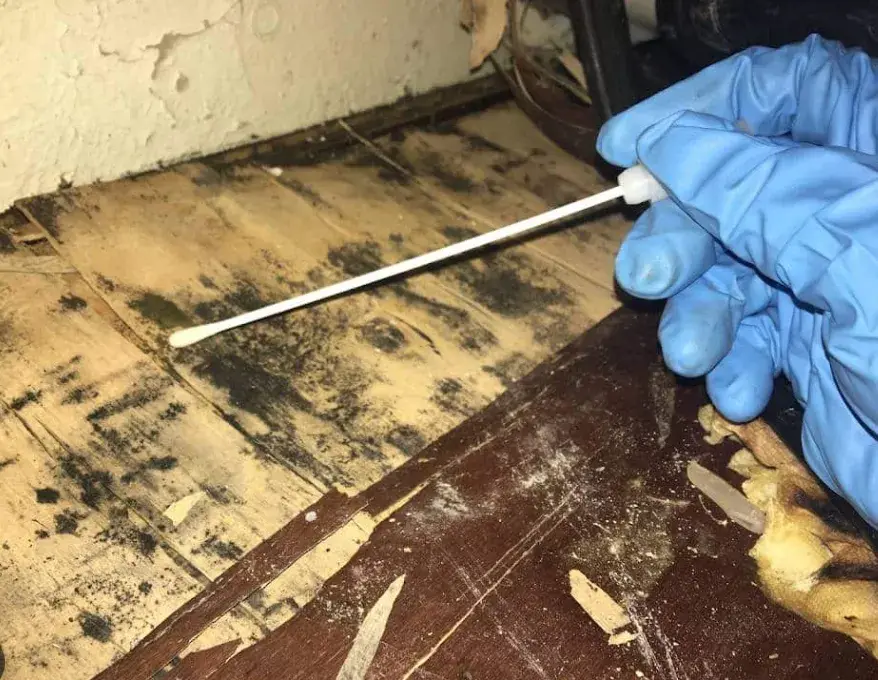
The inspection
What We Check During a Memphis Mold Inspection
What You Can See
A slow walk through every room, with a flashlight.
- Spots and stains on walls, ceilings and trim
- Bubbling paint and peeling wallpaper
- Swollen baseboards and cabinet bases
- Rust and water lines on pipes and fittings
What a Moisture Meter and Thermal Camera Show
The part you cannot see from the doorway.
- Damp drywall behind a dry-looking paint surface
- Cold, wet patches under floors and around tubs
- Where a leak runs inside the wall
- Whether the moisture is still there or long gone
The Places People Skip: Attic, Crawl Space and HVAC Closet
Where Memphis houses hide most of their mold.
- Roof sheathing and insulation in the attic
- Joists, subfloor and vapor barrier in the crawl space
- The air handler, drip pan and drain line
- Under sinks and behind the washer and fridge
Your situation
What Brings You Here? Pick Your Situation
Every inspection checks the same things, but what you need from it changes. Choose the one closest to yours.
Buying or selling a house
- What we do
- We check the attic, crawl space, bathrooms, HVAC and every spot with a water history, with meters and a thermal camera.
- What you get
- A written report with photos you can hand to your agent or the seller.
- Next step
- Book it early in the inspection period of your contract, so there is time to act on the report.
A musty smell, but nothing visible
- What we do
- We follow the smell to where moisture is building up: behind a wall, under a floor, in the crawl space or the HVAC closet.
- What you get
- Where the moisture is, how far it spread and whether mold is likely behind it.
- Next step
- Note when the smell is strongest, like after rain or when the AC runs. It helps us find the source.
Not sure it is mold at all? Read how to spot a mold problem.
A leak or flood was fixed
- What we do
- We check that the wet materials actually dried, and look for growth where the water reached.
- What you get
- Moisture readings for the area, so you know if it is dry or still holding water.
- Next step
- If it is still wet, drying comes before anything else.
I can already see mold
- What we do
- We find out how far it goes beyond what you see and what is feeding it.
- What you get
- The size of the problem and the moisture source, in the report.
- Next step
- A remediation plan and a free quote. Lab testing is usually not needed when mold is visible.
Mold was removed and I want it checked
- What we do
- A clearance check after remediation: we look over the area and take moisture readings.
- What you get
- Photos and readings showing the area is clean and dry.
- Next step
- If moisture is back, the source was not fixed. We tell you where.
A tenant or landlord question
- What we do
- An inspection of the unit with photos and readings, without taking sides.
- What you get
- A written report both of you can read.
- Next step
- The report shows what needs fixing and where the water came from.
Call (901) 459-6610 to book.
Testing
Inspection or Lab Testing: Which One You Need
According to the EPA, if you can see mold, testing it is usually not necessary, and there are no federal limits to test against. Most people need to know where the problem is, not the name of the mold.
Before we arrive
Getting Ready for Your Mold Inspection
Ten minutes of prep makes the inspection faster and the report more useful.
- 01
Leave the spots alone
Do not bleach, scrub or paint over them. We need to see them as they are.
- 02
Write down the water history
Past leaks, floods, roof repairs and when they happened. Dates help us read the moisture.
- 03
Clear the way to hidden spaces
The attic hatch, crawl space door, HVAC closet and the cabinets under sinks.
- 04
Note when it smells worst
After rain, when the AC runs, first thing in the morning. It points to the source.
- 05
Have past reports ready
A home inspection, an earlier mold report or a plumber invoice, if you have one.
- 06
Plan for pets
Keep them out of the rooms we work in, especially the crawl space entry.
After the inspection
What Happens After the Inspection
We walk you through what we found before we leave. Then you get three things.
A written report with photos
What we found, where, the moisture readings and the likely source.
The water source to fix
A plumber, roofer or HVAC tech fixes the cause. Mold work waits until it is fixed.
A plan, or no plan at all
If mold needs to come out, a remediation plan and a free quote. If not, we say so.
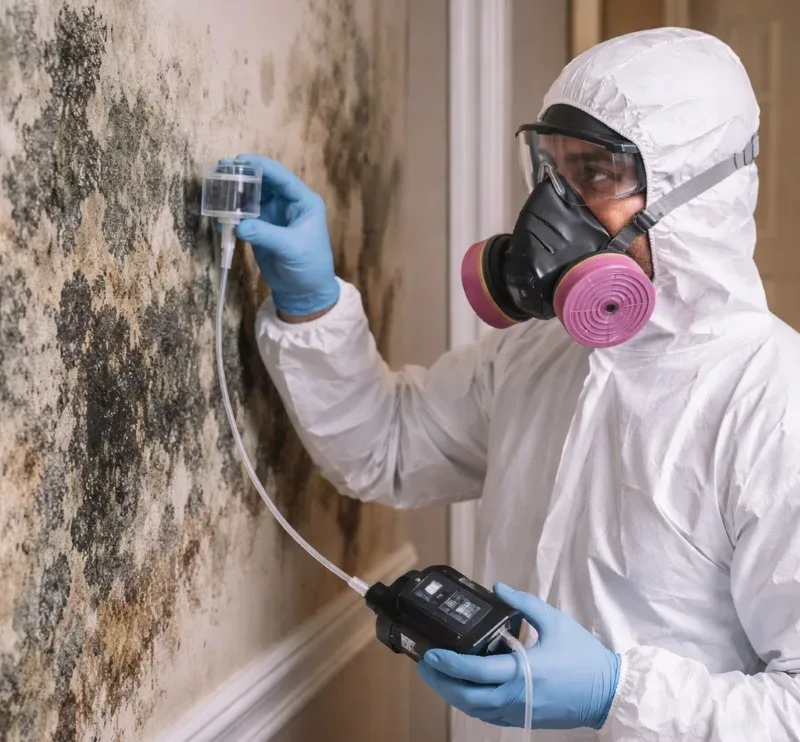
Cost
What a Mold Inspection Usually Costs
National figures from two cost guides, not our prices. Your free quote gives the real number.
Average home mold inspection
About $650 to $700
$656
Average, Bob Vila (2024)
$687
Average, ListWithClever (2026)
A small house with easy access costs less. A large house with an attic, a crawl space and several old leaks costs more.
If another firm adds lab samples
$250 to $350 each
Per air sample, in both guides. We do not take lab samples.
What moves the price
- · Square footage of the house
- · Attic and crawl space access
- · How many areas have a water history
- · Lab samples, if another firm takes them
Why choose us
An Honest Mold Inspection From a Memphis Mold Company
We also remove mold, so it is fair to ask if we would find more than is there. These are the rules our inspectors work by.
We will
- Check the attic, crawl space and HVAC closet, not only the rooms you live in
- Show you the moisture readings and thermal images on site
- Put what we found in a written report with photos
- Say so in the report when no mold work is needed
- Come back after removal for a clearance check, if you want one
We will not
- Sell you lab tests. We do not take lab samples, and we tell you if your case needs an independent assessor
- Start mold removal before the water source is fixed
- Fix the leak ourselves and call it part of the job. We tell you if it needs a plumber, roofer or HVAC tech
- Use fear words to push a bigger job. The report shows the size of the problem in photos and readings
- Serving Memphis since 1989
- IICRC certified technicians
- Pre-purchase inspections
- Free quotes
Service area
Mold Inspection Areas We Serve
Our crews cover 29 ZIP codes across Memphis, from Downtown to Hickory Hill and the Bartlett side. Not sure if you are in our area? Give us a call and we will tell you right away.
- Hickory Hill
- Bartlett
- Whitehaven
- Raleigh
- East Memphis
- Southeast Memphis
- University District
- Frayser
- Midtown
- North Memphis
- South Memphis
- Downtown
FAQ
Mold Inspection FAQs
Have a question that is not listed here? Call us and talk to a real person on our Memphis team.
How long does a mold inspection take?
Most homes take one to a few hours, depending on the size of the house and how much of the attic and crawl space we have to get into.
Should I get a mold inspection before buying a house?
It is worth it if the house has a crawl space or basement, a history of leaks, a musty smell, or sat empty for a while. A general home inspection does not always look behind walls with a moisture meter.
Can you tell if the mold is still growing?
Moisture readings tell us if the area is still wet. Mold on a wet surface is likely still active. Mold on a dry surface may be old, but it still needs to come out.
Do I need an inspection after every leak?
No. A small leak that was dried within a day or two usually does not need one. Water that sat for days, soaked a wall or reached the crawl space is a good reason to check.
Will you tell me if I do not need mold remediation?
Yes. Sometimes the answer is a plumber, better ventilation or a small cleanup you can do yourself. If that is the case, the report says so.
Does insurance pay for a mold inspection?
Sometimes, when the mold comes from a covered water loss like a burst pipe. Mold from slow leaks or humidity usually is not covered. Ask your insurer before you book.
Related services
If We Find Mold
Find Out What Is Behind the Smell
Call ServiceMaster by Riverside to book a mold inspection. Tell us what you have noticed and where, and we will plan the visit around it.
Call now: (901) 459-6610