
Mold remediation for homes and businesses
Mold Remediation Memphis, TN
Found mold or smell something musty? We find the moisture feeding it, remove the moldy materials, and dry the area so the mold has nothing to come back to.
- Serving Memphis since 1989
- IICRC certified technicians
- Follows EPA and CDC guidance
What we do
Mold Remediation for Memphis Homes and Businesses
Mold damage rarely stays on the surface, so mold remediation is more than spraying a stain. Mold grows where there is moisture, so the job is to find that moisture, take out the mold and the materials it ruined, and dry the area so it does not come back.
It is the same moisture work behind the team that dries Memphis homes after leaks, pointed at mold.
- Finding hidden moisture with meters and thermal cameras
- Removing drywall, insulation and other materials mold has ruined
- Cleaning the surfaces that can stay
- Drying the area so mold has nothing to feed on
- Checking moisture readings before we finish
We do not fix the leak itself or rebuild afterward. A plumber, roofer or repair contractor of your choice handles that part.
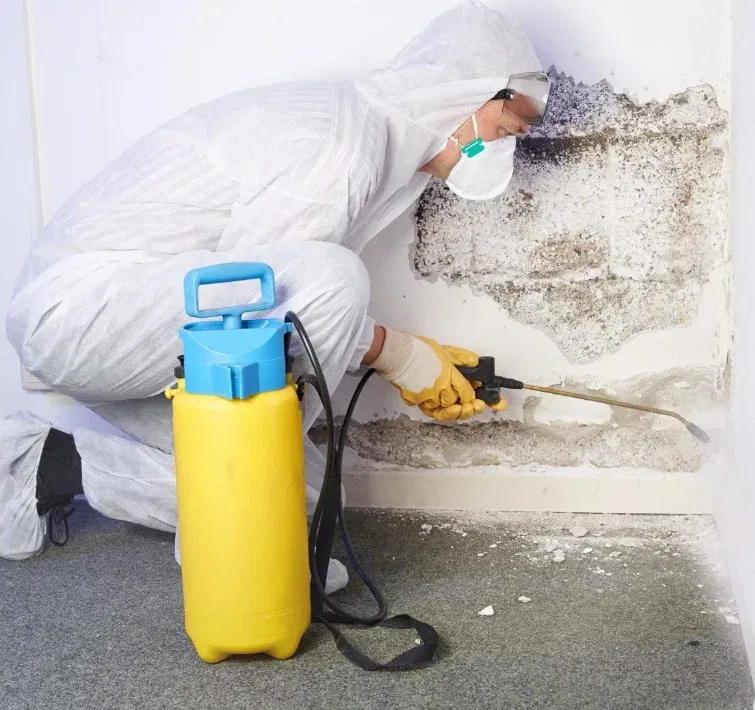
Our mold services
Our Mold Services
Every mold job starts with finding the moisture. After that, where the mold is decides how it comes out.
Mold Inspection
When you smell mold or suspect it behind a wall, we look for the growth and the moisture causing it.
- A visual check of the problem areas
- Moisture meters and thermal cameras
- A clear plan and a free quote
Mold Removal
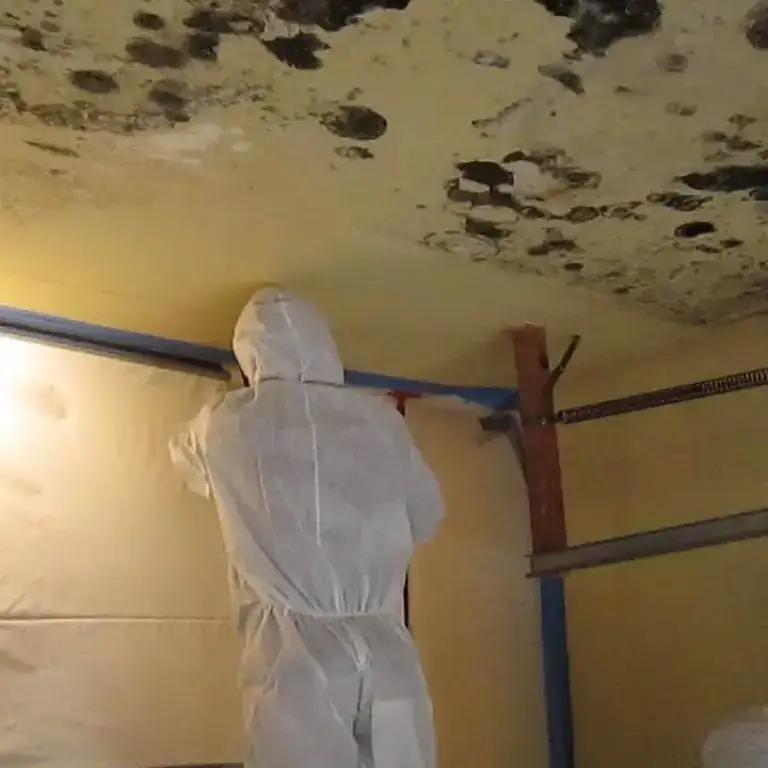
Mold on walls, ceilings or floors comes out along with the materials it has grown into.
- Removing moldy drywall and insulation
- Cleaning the surfaces that stay
- Drying the area afterward
Black Mold Removal
Dark mold often appears after water damage. It comes out with the same careful process as any other mold.
- Common after water damage
- No guessing about the species
- Moisture source found first
Attic Mold Removal
Attic mold usually comes from poor ventilation, a roof leak or a bathroom fan that vents into the attic.
- Roof decking and rafters
- Insulation that has to go
- Finding where the moisture comes in
Basement Mold Removal
Basements stay damp, and mold follows. It shows up on walls, floors and framing.
- Damp block or concrete walls
- Water coming through the foundation
- Drying after removal
Crawl Space Mold Removal
Crawl spaces hold humid air and sometimes standing water, which feeds mold on the floor joists above.
- Floor joists and subfloor
- Wet insulation and vapor barrier
- Standing water removed first
Warning signs
Signs You Have a Mold Problem
Mold is not always easy to see. These are the signs that usually show up first.
A musty, earthy smell that will not go away
Black, green or white spots on walls, ceilings or wood
Water stains, peeling paint or bubbling drywall
Soft or warped wood and drywall
A leak or flood in the past few weeks that was not fully dried
Allergy symptoms that ease when you leave the house
Local conditions
Why Mold Grows in Memphis Homes
Mold needs moisture, and a Memphis house gets it from three main places.
Humid Summers and Air Conditioning
Long, humid summers keep moisture in the air. AC systems add more: a clogged drain line or sweating ductwork slowly soaks the drywall and insulation around it.
Crawl Spaces and Basements
Ground moisture rises into crawl spaces and seeps through basement walls. Without good airflow, wood and insulation stay damp enough for mold.
Leaks Nobody Caught in Time
The EPA says wet materials should be dried within 24 to 48 hours. A slow drip behind a wall or under a sink usually runs much longer than that.
Fast drying after any leak is the best way to keep mold away. Here is how drying it out fast works.
Do it yourself?
Can You Clean Up Mold Yourself?
Sometimes, yes. The EPA draws the line at about 10 square feet, roughly a 3 by 3 foot patch.
Small Spots You Can Usually Handle
For a small patch on a hard surface, the EPA says most people can do the cleanup.
- Wear gloves, eye protection and an N-95 mask
- Scrub hard surfaces with detergent and water, then dry them fully
- Throw out porous items, like ceiling tiles, that stay moldy
- Fix the moisture, or the mold will come back
About bleach: the EPA does not recommend it as a routine part of mold cleanup. Never mix bleach with ammonia.
When to Call a Professional
Call for help if any of these are true.
- The moldy area is larger than about 10 square feet
- Mold is inside the heating or AC system
- The mold followed sewage or flood water
- You smell mold but cannot find it
- Someone at home has asthma, a mold allergy or a weak immune system
Testing
Do You Need Mold Testing?
Usually not. Any mold growing in a home should be removed, whatever type it is. Testing can still help in a few cases, like confirming an area is clean after the work is done.
What matters more is the moisture. We use moisture meters and thermal cameras to see where water is hiding, because that is where mold grows next.
"CDC does not recommend mold testing."
The CDC also says you do not need to know the type of mold before removing it.
"In most cases, if visible mold growth is present, sampling is unnecessary."
How it works
Our Mold Remediation Process
- 1
Find the Mold and the Moisture
We look for the growth, then use meters and thermal cameras to find the water feeding it.
- 2
Remove Moldy Materials
Drywall, insulation and other porous materials the mold has grown into come out.
- 3
Clean and Dry What Stays
Framing and hard surfaces are cleaned, then the area is dried out with air movers and dehumidifiers.
- 4
Check the Results
Moisture readings have to show the area is dry before we finish. Then a repair contractor can close it up.
Cost
How Much Does Mold Remediation Cost in Memphis?
Your free quote gives you the real number. These national ranges show where most jobs land.
Typical Cost Ranges
- Typical mold job
- $1,200 to $3,800
- Most homes land in this range
- National average
- About $2,400
- All mold remediation jobs
- Per square foot
- $10 to $25
- Of moldy area
- Repairs afterward
- Extra
- New drywall or flooring, by your contractor
Figures come from national HomeAdvisor and Angi data. They are not our prices.
Why Mold Jobs Vary in Price
- How large the moldy area is
- Where it is: attic, crawl space, inside walls or the HVAC system
- What has to be removed
- How hard the area is to reach
- Whether the moisture source is still active
37+Years in Memphis
Moisture readings · Free quotes
Why choose us
Why Memphis Owners Choose Us for Mold Remediation
Mold comes back when the moisture stays. As a mold remediation company, we spend as much time on the cause as on the mold.
We Go After the Moisture
Moisture readings show where the water is, so the mold has nothing left to feed on.
Straight Answers
We follow EPA and CDC guidance and tell you plainly when a spot is small enough to handle yourself.
Open 24/7
Call any time. A musty smell after a leak is worth a call before the mold spreads.
In Memphis Since 1989
We know Memphis humidity, crawl spaces and basements, and what they do to a house.
Service area
Mold Remediation Areas We Serve
Our crews cover 29 ZIP codes across Memphis, from Downtown to Hickory Hill and the Bartlett side. Not sure if you are in our area? Give us a call and we will tell you right away.
- Hickory Hill
- Bartlett
- Whitehaven
- Raleigh
- East Memphis
- Southeast Memphis
- University District
- Frayser
- Midtown
- North Memphis
- South Memphis
- Downtown
FAQ
Mold Remediation FAQs
Have a question that is not listed here? Call us and talk to a real person on our Memphis team.
Will the mold come back?
Not if the moisture is gone. Mold needs water to grow, so we find the source and dry the area. If a leak is still active, it has to be fixed or the mold will return.
Is black mold more dangerous than other mold?
The CDC says you do not need to know the type of mold. Any mold growing in a home should be removed with the same care. People with asthma, mold allergies or weak immune systems are the most at risk from any type.
Can I stay home during mold remediation?
Often, yes, when the work is limited to one area. People with asthma, allergies or other breathing problems may want to stay elsewhere until the work is done.
Does homeowners insurance cover mold?
Sometimes. Mold from a sudden covered event, like a burst pipe, may be covered. Mold from a slow leak or long-term humidity usually is not. Check your policy or ask your agent.
Do you fix the leak that caused the mold?
No. We find the moisture source and dry the area, and a plumber or roofer repairs the leak itself. We will show you where the water is coming from.
Related services
Water Damage Services
Get Rid of the Mold and the Moisture Behind It
One call gets a free quote and a crew that treats the cause, not just the stain.
Call now: (901) 459-6610